Toolbox Talk / Safety Meeting Log
Document and share your safety meetings instantly.
Capture topics, attendees, and signatures with ease. Record talks, share insights instantly, reinforce safety practices, and keep organized records for audits and training cycles.
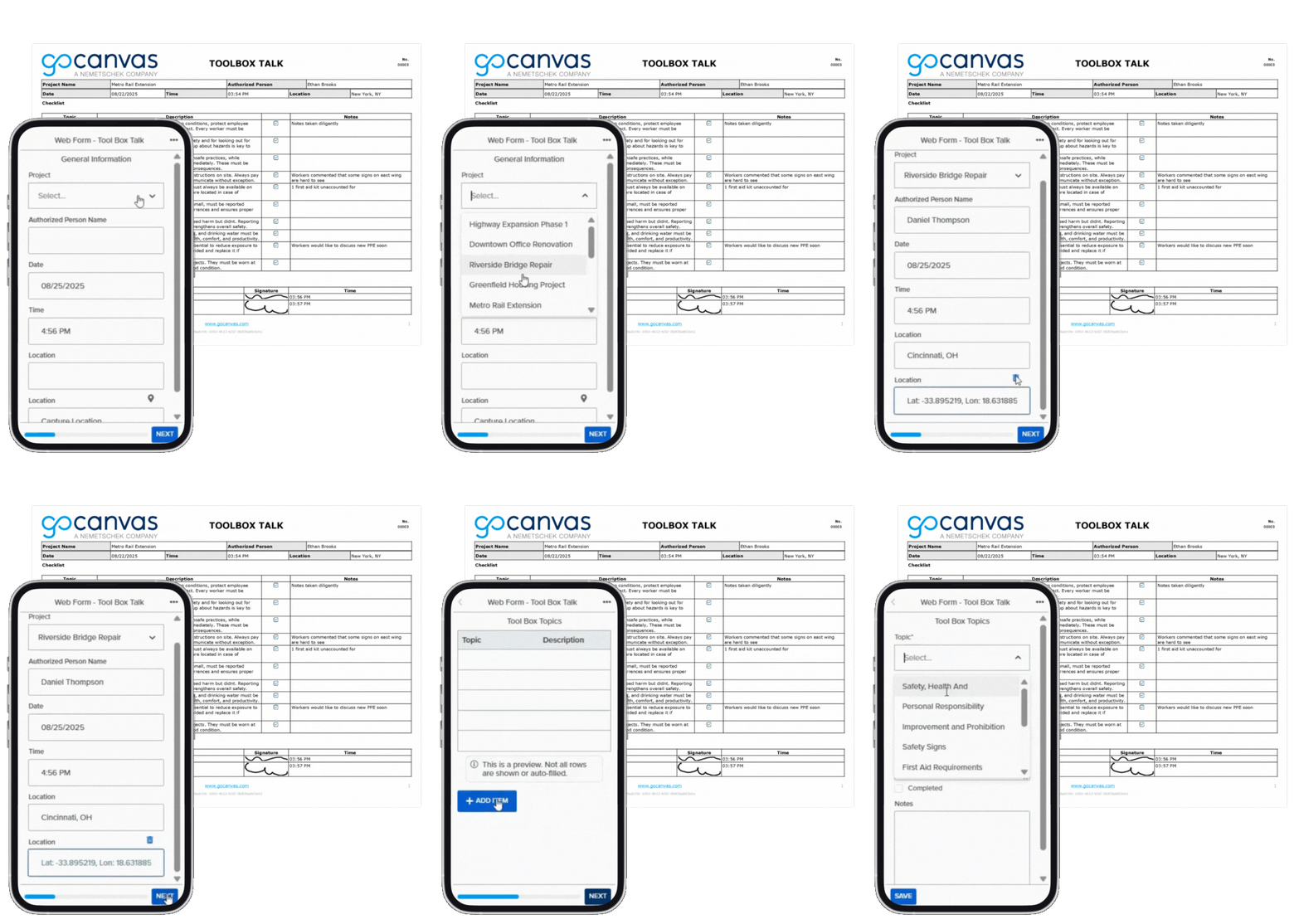
12,000+ Companies Save Time and Money with GoCanvas





The Toolbox Talk Log ensures every safety meeting is recorded, stored, and ready for audits or training reviews. Regular toolbox talks are vital for maintaining a safe work environment. By using a Toolbox Talk Log, you can effectively document the topics discussed, which helps reinforce safety protocols among team members.
This log serves as a reminder of the key points covered during each meeting, ensuring that safety remains a priority on the jobsite. GoCanvas makes it simple to log attendance, discussion points, and follow-ups—improving communication and proving compliance across your organization.
Additional Templates

Jobsite Safety Inspection
Track inspections, record hazards, and verify corrective actions to maintain a safe and compliant jobsite.
Risk Assessment
Identify potential hazards and reduce risk. Complete before work starts to protect your crew and meet safety requirements.

Incident / Near-Miss Report
Report site incidents or close calls. Help prevent future injuries and stay OSHA compliant.
Connect with a Product Expert Today
We’ll help you put together the right solution for your needs.
Frequently asked questions
A toolbox talk log is a structured document used to record safety discussions held before work shifts. It typically includes details like the date, topics discussed, attendees, and actions taken. This log helps ensure that all safety protocols are communicated effectively and that workers are aware of potential hazards. By maintaining a toolbox talk log, organizations can enhance safety awareness and compliance, making it easier to track discussions over time. It serves as a valuable reference for future meetings and can be essential for audits and inspections.
Using a toolbox talk log is crucial for maintaining workplace safety. It documents safety discussions, ensuring that all employees are informed about potential hazards and safety measures. This log helps track attendance and topics covered, which can prevent repetitive discussions and ensure training. Additionally, it serves as a legal document that can protect your organization in case of incidents. Regularly updating the log fosters a culture of safety and accountability among team members, ultimately reducing workplace accidents.
Topics for a toolbox talk should focus on relevant safety issues specific to your work environment. Common topics include hazard recognition, personal protective equipment (PPE), emergency procedures, and equipment safety. It’s also beneficial to discuss recent incidents or near misses to reinforce learning. Encourage team members to suggest topics based on their experiences. Regularly updating the topics ensures that safety discussions remain relevant and engaging, fostering a proactive safety culture within the organization.
Topics for a toolbox talk should focus on relevant safety issues specific to your work environment. Common topics include hazard recognition, personal protective equipment (PPE), emergency procedures, and equipment safety. It’s also beneficial to discuss recent incidents or near misses to reinforce learning. Encourage team members to suggest topics based on their experiences. Regularly updating the topics ensures that safety discussions remain relevant and engaging, fostering a proactive safety culture within the organization.
Toolbox talks should be conducted regularly, ideally before each work shift or at least weekly. The frequency may vary depending on the nature of the work and the specific safety risks involved. For high-risk environments, daily talks may be necessary to address immediate hazards. Consistent meetings help reinforce safety protocols and keep safety awareness at the forefront of employees’ minds. Additionally, conducting talks after incidents or near misses can provide valuable learning opportunities and prevent future occurrences.
Yes, using a digital toolbox talk log is highly recommended. Digital logs streamline the documentation process, making it easier to record, share, and access information. Many digital tools allow for real-time updates, electronic signatures, and easy export options for reporting. This not only reduces paperwork but also improves collaboration among team members. Digital logs can also be integrated with other safety management systems, providing an approach to workplace safety and compliance.