Quality Control Inspection Checklist
Verify project quality in real time.
Track inspection results instantly. Log defects, attach photos, get quick approvals, and share insights in real time to improve accuracy, efficiency, and overall project outcomes.
12,000+ Companies Save Time and Money with GoCanvas





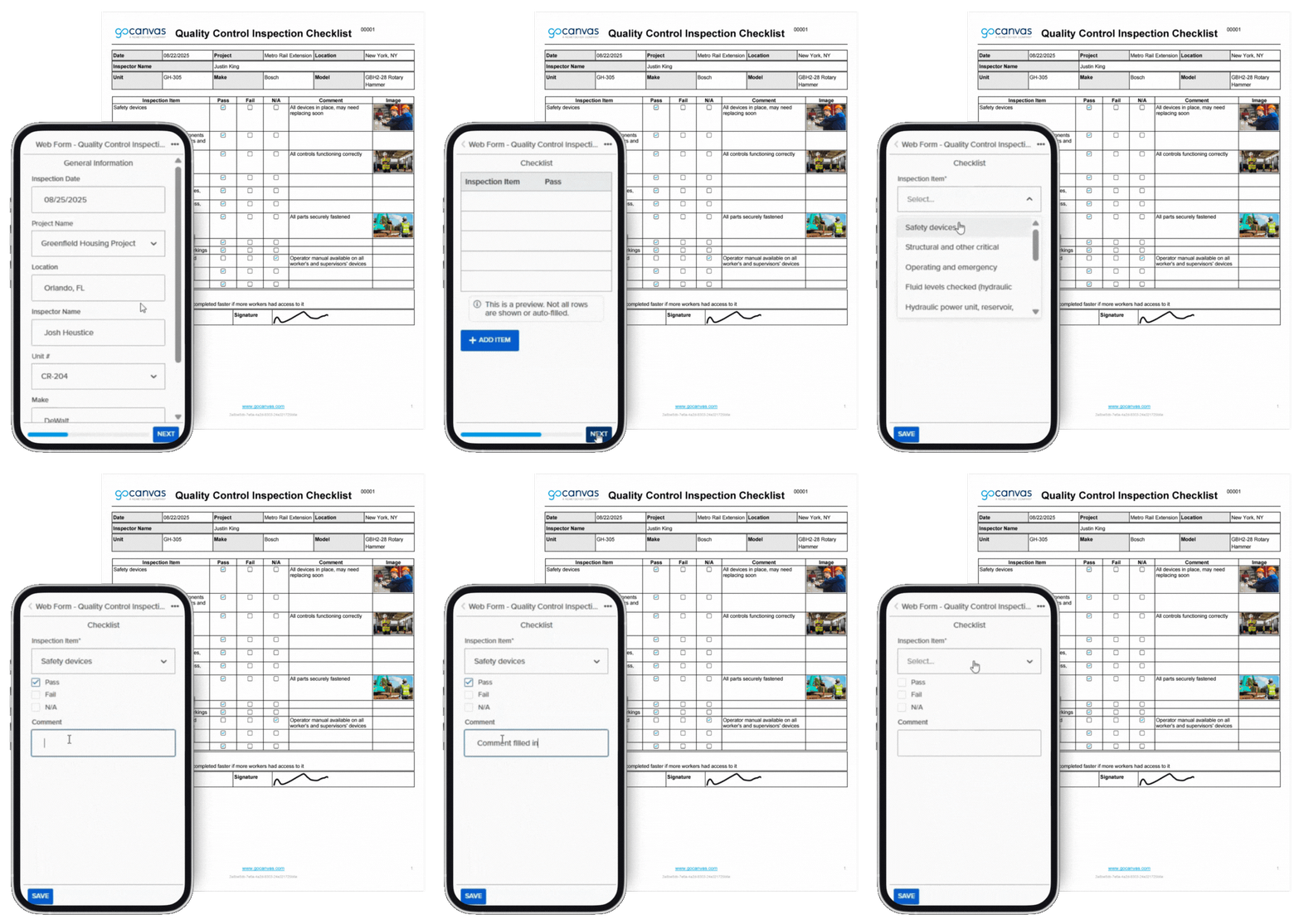
The Quality Control Checklist standardizes how crews verify work quality and document results. Add photos, notes, and approvals in seconds to keep projects moving smoothly. They provide a structured approach to inspections, allowing teams to document compliance and identify defects early in the process.
By utilizing a digital checklist, field operations can enhance efficiency and accuracy, reducing the time spent on manual reporting and minimizing errors. With GoCanvas, you can analyze data trends to spot issues early and share reports instantly with clients or management for faster sign-off and higher customer satisfaction.
Additional Templates

Daily Field Report
Track site progress, weather, and issues. Keep teams aligned and projects moving with a quick daily summary.

Work Order
Assign and monitor job tasks efficiently. Foremen use this to delegate responsibilities and track field progress in real time.

Bill of Materials
List required materials for each job. Help crews prepare efficiently and avoid costly delays from missing parts or tools.
Connect with a Product Expert Today
We’ll help you put together the right solution for your needs.
Frequently asked questions
A quality control inspection checklist is a standardized tool used to verify that work meets specified standards at various stages of a project. It outlines critical inspection points, ensuring that all aspects of workmanship, materials, and compliance are thoroughly reviewed. This checklist helps maintain consistency across different trades and phases of construction, providing clear acceptance criteria and documentation requirements. By using a checklist, inspectors can efficiently track inspections, document findings, and ensure that all necessary approvals are obtained before moving to the next phase of work. This process ultimately reduces the risk of defects and improves overall project quality.
A quality control inspection checklist is crucial for maintaining high standards in construction and manufacturing. It helps identify defects early, ensuring that issues are addressed before they escalate into costly problems. By providing a structured approach to inspections, the checklist promotes accountability and consistency, which are vital for compliance with industry regulations and standards. Additionally, it serves as a documented record of inspections, which can be invaluable for audits and quality assurance processes. Ultimately, using a checklist improves operational efficiency and helps ensure customer satisfaction by delivering quality products and services.
To create an effective quality control inspection checklist, start by identifying the specific requirements and standards relevant to your project. Include key inspection points that need to be verified, such as materials, workmanship, and compliance with regulations. Ensure that the checklist is clear and concise, with defined acceptance criteria for each item. Incorporate sections for documenting findings, tracking deficiencies, and obtaining approvals. It’s also beneficial to customize the checklist for different phases of the project or specific trades. Regularly review and update the checklist to reflect any changes in standards or project requirements.
A quality control inspection checklist typically includes several essential components: project identification details (such as job name and location), inspection criteria with specific acceptance standards, verification fields for documenting results, and sections for tracking deficiencies. It should also have areas for photo documentation and approval sign-offs. Including a clear structure with 15-25 inspection line items helps ensure thorough evaluations. Additionally, the checklist should align with contract specifications and relevant building codes to ensure compliance and quality assurance throughout the project.
A digital quality control inspection checklist significantly improves efficiency by streamlining the inspection process. With mobile access, inspectors can complete checklists in real-time, reducing the time spent on manual documentation. Digital checklists often include features such as automated reporting, instant data sharing, and integration with project management tools, which enhance collaboration among team members. This technology minimizes errors associated with paper-based checklists and allows for quicker corrective actions when issues are identified. Overall, digital solutions lead to faster inspections, improved accuracy, and better project outcomes.
Quality control inspection checklists are beneficial across various industries, including construction, manufacturing, healthcare, food and beverage, and retail. In construction, they ensure compliance with building codes and standards, while in manufacturing, they help maintain product quality and safety. The healthcare sector uses checklists to ensure compliance with regulations and patient safety standards. In food and beverage, they are crucial for maintaining hygiene and quality control. Retailers utilize checklists to verify product quality before shipment. Overall, any industry that requires adherence to quality standards can benefit from implementing these checklists.