Risk Assessment Form
Identify, assess, and mitigate hazards in real time.
Keep crews safe with structured digital risk reviews that enable real-time hazard checks, assign control measures, document issues, and maintain strong jobsite compliance.
12,000+ Companies Save Time and Money with GoCanvas





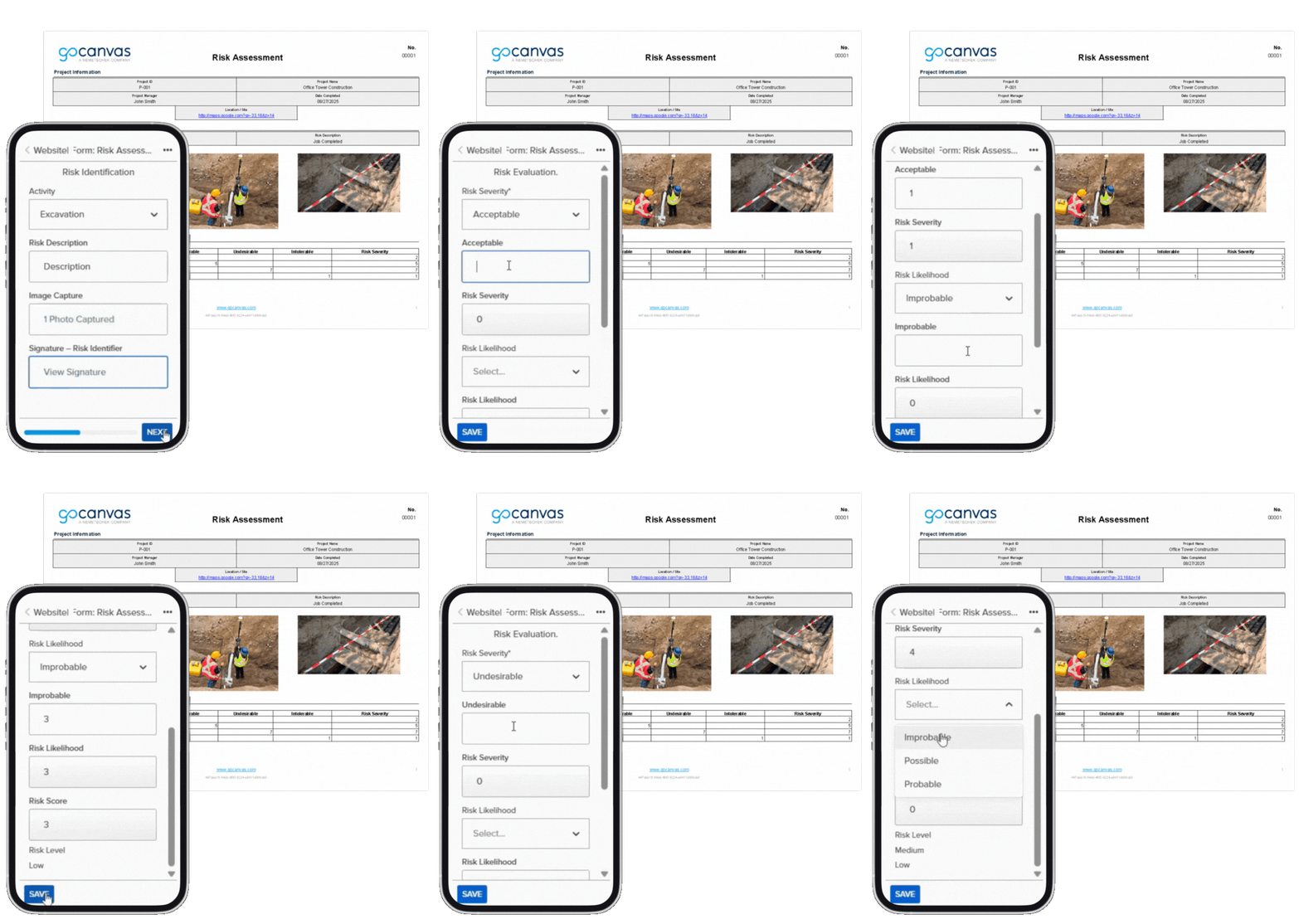
The Risk Assessment Form helps safety teams evaluate potential hazards, assign control measures, and document safety protocols in real time. In today’s fast-paced work environment, ensuring the safety and compliance of field teams is paramount.
A structured digital risk assessment form is an essential tool for safety officers and jobsite supervisors. It allows for the systematic identification and evaluation of potential risks, ensuring that crews remain safe while adhering to regulatory standards. GoCanvas simplifies compliance by keeping risk records secure and searchable. Replace manual forms with accurate, time-stamped reports that strengthen your safety culture.
Additional Templates

Job Site Safety Inspection
Track inspections, record hazards, and verify corrective actions to maintain a safe and compliant job site.

Toolbox Talk / Safety Meeting Log
Record safety meetings or briefings. Capture attendees, discussion points, and action items in one place.

Incident / Near-Miss Report
Report site incidents or close calls. Help prevent future injuries and stay OSHA compliant.
Connect with a Product Expert Today
We’ll help you put together the right solution for your needs.
Frequently asked questions
A risk assessment form is a structured document used to identify, evaluate, and prioritize potential risks associated with a project, process, or activity. It helps organizations systematically document risks, assess their likelihood and impact, and develop strategies to mitigate them. This form typically includes sections for risk description, source, existing control measures, and a risk mitigation action plan. By utilizing a risk assessment form, safety officers can ensure compliance with safety regulations and enhance the overall safety of their teams.
A risk assessment form is crucial for field teams as it helps identify potential hazards in real time, ensuring the safety of crew members on-site. By systematically documenting risks, field teams can prioritize safety measures and implement necessary controls to prevent accidents. This proactive approach not only protects employees but also minimizes legal liabilities and improves compliance with safety regulations. Furthermore, having a structured form allows for consistent data collection, making it easier to track and manage risks over time.
To create an effective risk assessment form, start by identifying the specific risks associated with your project or activity. Include sections for risk description, likelihood, impact, existing controls, and mitigation strategies. Ensure the form is easy to understand and use, allowing field teams to fill it out quickly. Incorporate input from various stakeholders, including safety officers and field supervisors, to ensure all potential risks are covered. Regularly review and update the form to reflect changes in operations or new hazards that may arise.
A risk assessment form should include various types of risks, such as physical hazards (e.g., slips, trips, falls), chemical hazards (e.g., exposure to harmful substances), ergonomic risks (e.g., repetitive strain injuries), and environmental risks (e.g., extreme weather conditions). Additionally, consider including risks related to equipment failure, operational procedures, and human factors. By covering a wide range of risks, safety officers can ensure comprehensive assessments that enhance workplace safety and compliance.
Risk assessment forms should be reviewed regularly, ideally at least annually, or whenever there are significant changes in operations, equipment, or regulations. Additionally, they should be reassessed after any incidents or near misses to identify any gaps in safety measures. Regular reviews ensure that the forms remain relevant and effective in addressing current risks, helping to maintain a safe working environment for field teams. Engaging employees in the review process can also provide valuable insights into potential hazards.
Yes, risk assessment forms can and should be customized for specific projects to address unique risks and requirements. Tailoring the form allows safety officers to focus on the specific hazards associated with a particular jobsite or activity. Customization may include adding sections for project-specific risks, adjusting the risk evaluation criteria, or incorporating industry-specific regulations. This ensures that the assessment is relevant and effective in mitigating risks, ultimately enhancing the safety and compliance of field teams.