Project Estimate Template
Build accurate, professional job estimates in minutes.
Create detailed project estimates from the field to help teams work faster, reduce errors, and deliver accurate, professional quotes that keep every project moving.
12,000+ Companies Save Time and Money with GoCanvas





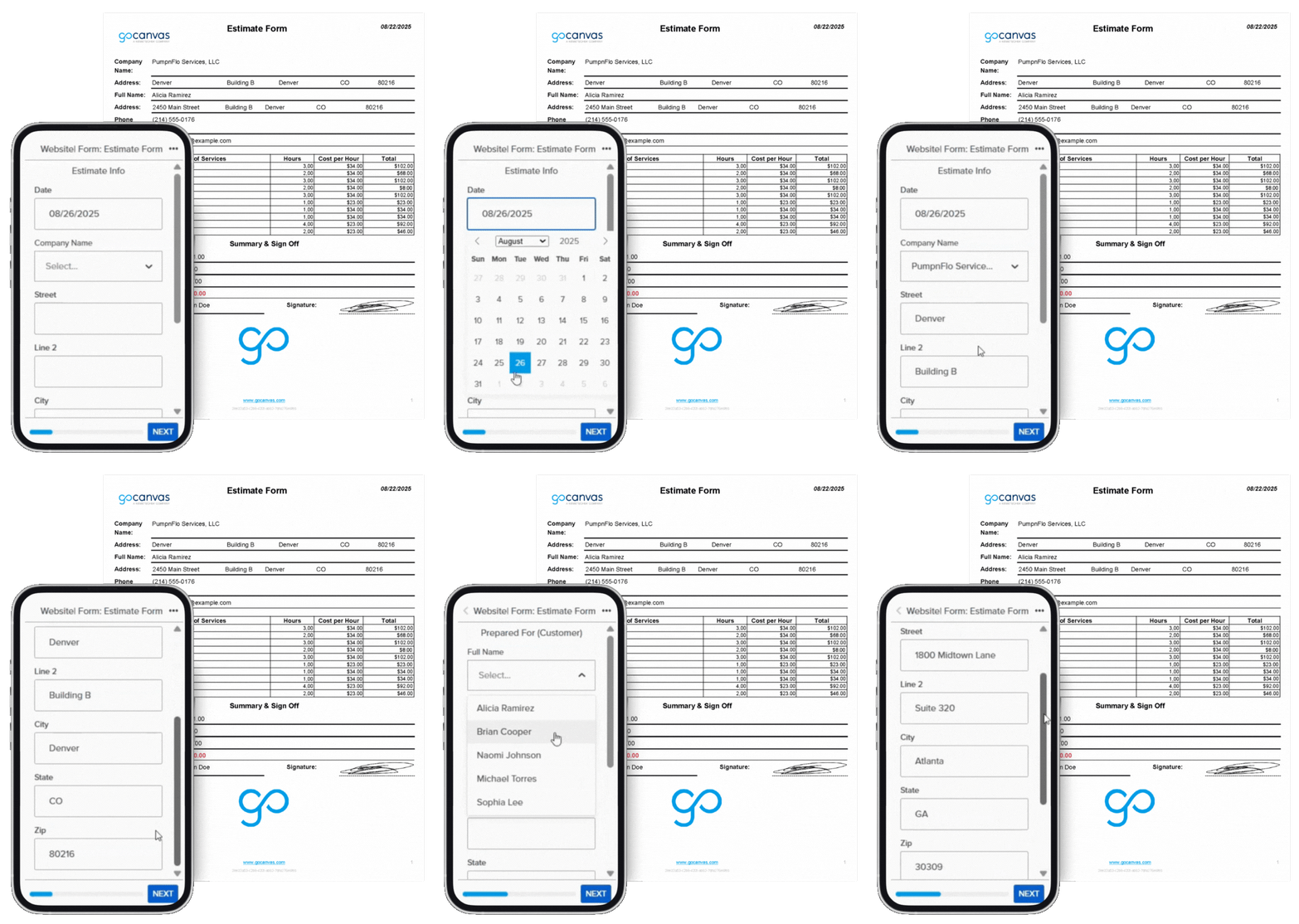
The Estimate Form streamlines how contractors calculate labor, materials, and markups on-site. Generate consistent, branded estimates that impress clients and speed approvals. With features like calculations, signature capture, PDF export, and attachment capabilities, our template is designed to meet the unique needs of mobile and field operations.
This tool not only simplifies the estimating process but also enhances communication with clients and stakeholders. With GoCanvas, you can convert approved estimates directly into work orders, track revisions, and reduce costly errors. Winning new business has never been easier.
Additional Templates

Quote Sheet
Generate and track project quotes. Capture job details, materials, and pricing for faster client approvals.

Bill of Materials
List required materials for each job. Help crews prepare efficiently and avoid costly delays from missing parts or tools.

Work Order
Assign and monitor job tasks efficiently. Foremen use this to delegate responsibilities and track field progress in real time.
Connect with a Product Expert Today
We’ll help you put together the right solution for your needs.
Frequently asked questions
A project estimate template is a structured document that helps project managers outline the expected costs, timelines, and resources needed for a project. It serves as a financial and time roadmap, allowing teams to plan effectively and set realistic expectations before commencing work. By detailing project components, this template aids in capturing essential information, ensuring that all aspects of the project are considered. This clarity helps in minimizing financial risks and improves communication with stakeholders.
Using a project estimate template is crucial for several reasons. It allows for accurate cost projections, helping you determine the necessary resources and personnel for a project. This ensures that team members are assigned tasks suited to their skills, preventing overwork or underutilization. Additionally, a well-prepared estimate ensures transparency with clients, setting clear expectations and enhancing trust. Ultimately, it contributes to project success by minimizing surprises and facilitating better planning.
To create a project estimate using a template, start by gathering all relevant project details, including scope, resources, and timelines. Input this information into the template, ensuring that you break down costs into categories such as labor, materials, and overhead. Adjust the template to reflect your specific project needs, and review it for accuracy. Once completed, share the estimate with stakeholders for feedback and approval, making adjustments as necessary to align with client expectations.
A comprehensive project estimate template should include several key elements: project title, description, scope of work, itemized cost breakdown (labor, materials, overhead), estimated timelines, and payment terms. Additionally, it may feature sections for client information and approval signatures. Including a summary of total costs at the end provides a clear overview for stakeholders. Ensuring that all these elements are present helps in creating a thorough and professional estimate.
Yes, project estimate templates are designed to be customizable. You can modify them to fit your specific project needs by adjusting sections, adding or removing items, and personalizing the layout. This flexibility allows you to tailor the template to reflect your company’s branding and the unique aspects of each project. Customization ensures that the estimate is relevant and accurately represents the project scope and costs, enhancing clarity for clients.
A project estimate template improves jobsite management by providing a clear framework for planning and budgeting. It helps project managers identify all necessary resources and costs upfront, reducing the likelihood of unexpected expenses. By establishing realistic timelines and expectations, the template ensures better communication among team members and stakeholders. This structured approach not only streamlines the planning process but also contributes to overall project efficiency and success.